
Gut Microbiome and Diabetes
What is the Gut Microbiome?
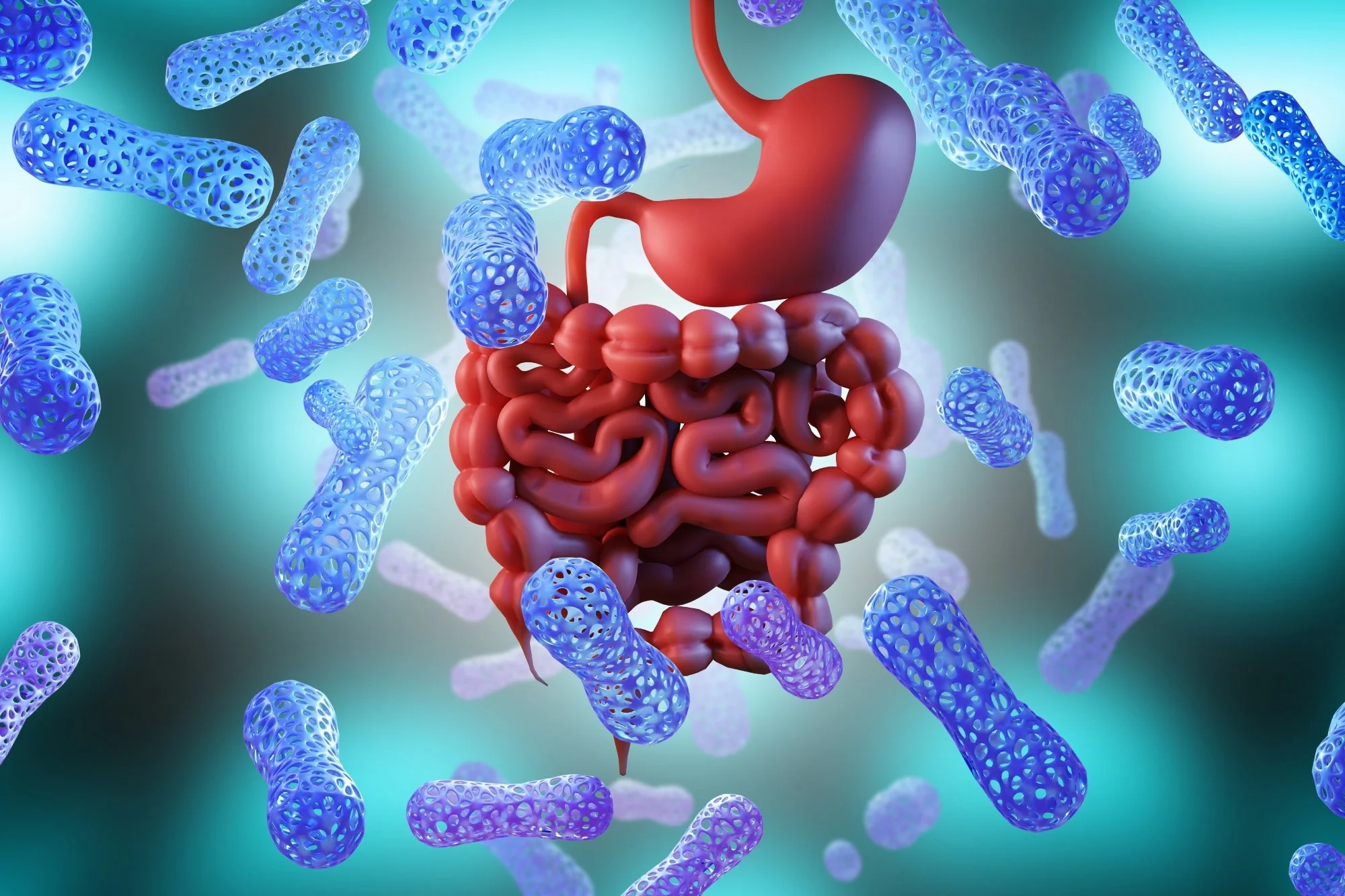
The gut microbiome consists of trillions of bacteria, fungi, and microorganisms living in your digestive system. These microorganisms play a crucial role in nutrient absorption, immune function, and metabolic health. Your gut microbiome communicates directly with your pancreas and affects insulin production. A healthy microbiome supports stable blood glucose levels and reduces inflammation. Fat Diabetic explains how microbiome balance influences type 2 diabetes risk and progression.
How Dysbiosis Affects Diabetes
Dysbiosis occurs when harmful bacteria outnumber beneficial bacteria in your gut, creating an imbalance. This imbalance triggers chronic inflammation, increases intestinal permeability (“leaky gut”), and reduces insulin sensitivity. Research shows dysbiosis is strongly associated with type 2 diabetes development. People with dysbiosis often have higher blood glucose levels and increased diabetes complications. Understanding this connection helps you make informed dietary and lifestyle choices to restore gut balance.
Probiotics and Gut Health
Probiotics are beneficial live bacteria found in fermented foods and supplements. They restore healthy gut bacteria balance and improve intestinal barrier function. Studies suggest certain probiotic strains may improve glycemic control and reduce inflammation markers. Yogurt, kefir, sauerkraut, and kimchi contain natural probiotics. However, probiotic effectiveness varies by strain and individual. Fat Diabetic recommends consulting your healthcare provider before starting probiotic supplements to ensure they complement your diabetes management plan.
Prebiotics and Dietary Fiber
Prebiotics are non-digestible food components that feed beneficial gut bacteria, helping them thrive. Foods rich in prebiotics include garlic, onions, asparagus, bananas, and whole grains. Dietary fiber—especially soluble fiber from oats and beans—slows glucose absorption and stabilizes blood sugar. Increasing fiber intake gradually prevents digestive discomfort. A high-fiber diet supports beneficial bacteria growth, improves cholesterol, and enhances insulin sensitivity. Fat Diabetic recommends aiming for 25-30 grams of fiber daily to support both gut health and diabetes management.
Foods That Support Microbiome Health
Eat More:
- Fiber-rich vegetables (leafy greens, broccoli, Brussels sprouts)
- Whole grains (oats, quinoa, brown rice)
- Legumes (beans, lentils, chickpeas)
- Fermented foods (yogurt, kefir, tempeh, miso)
- Nuts and seeds (almonds, flaxseeds, chia seeds)
Limit or Avoid:
- Highly processed foods
- Added sugars and refined carbohydrates
- Artificial sweeteners (may harm beneficial bacteria)
- Excessive alcohol
A microbiome-friendly diet naturally supports stable blood glucose and reduces diabetes complications. Fat Diabetic provides detailed nutrition guidance for optimizing your gut-diabetes connection through food choices.
Lifestyle Habits for Microbiome Health
Beyond diet, several habits strengthen your gut microbiome:
- Sleep — Poor sleep increases dysbiosis risk. Aim for 7-9 hours nightly.
- Stress Management — Chronic stress damages gut bacteria. Practice meditation or yoga.
- Exercise — Regular physical activity increases beneficial bacteria diversity.
- Limit Antibiotics — Use only when medically necessary, as they kill beneficial bacteria.
- Stay Hydrated — Adequate water supports digestive health and nutrient absorption.
These habits work synergistically with microbiome-supportive nutrition to improve insulin sensitivity and metabolic health.
The Gut-Diabetes Connection Explained
A healthy microbiome directly impacts diabetes prevention and management through multiple mechanisms:
- Improved Insulin Sensitivity — Beneficial bacteria enhance insulin signaling and glucose uptake.
- Reduced Inflammation — Dysbiosis triggers inflammation; a balanced microbiome reduces inflammatory markers.
- Better Glucose Control — Certain bacteria produce short-chain fatty acids that stabilize blood glucose.
- Enhanced Barrier Function — Healthy gut bacteria strengthen intestinal barriers, preventing harmful substances from entering the bloodstream.
- Reduced Medication Side Effects — A balanced microbiome improves digestion and reduces antibiotic-related complications.
What Science Says About Microbiome and Diabetes
Emerging research demonstrates the strong connection between gut microbiome composition and type 2 diabetes development. Studies show people with type 2 diabetes have significantly different bacterial profiles compared to healthy individuals. Probiotic interventions have shown promise in improving HbA1c levels (a marker of long-term glucose control). Dietary interventions targeting the microbiome have demonstrated improvements in insulin resistance and blood glucose stability. Fat Diabetic stays current with the latest research to provide evidence-based guidance on microbiome management for diabetes.
Take Control of Your Diabetes Through Microbiome Health
Your gut microbiome is a powerful tool for managing type 2 diabetes naturally. By understanding the connection between gut bacteria, insulin sensitivity, and blood glucose control, you can make informed choices that support your health. Fat Diabetic provides comprehensive education on microbiome optimization, diabetes prevention, and metabolic wellness through science-based resources, podcasts, blogs, and patient education materials. Whether you’re newly diagnosed, managing prediabetes, or seeking to prevent complications, our certified diabetes education specialists guide you toward sustainable health improvements through microbiome-focused strategies.